
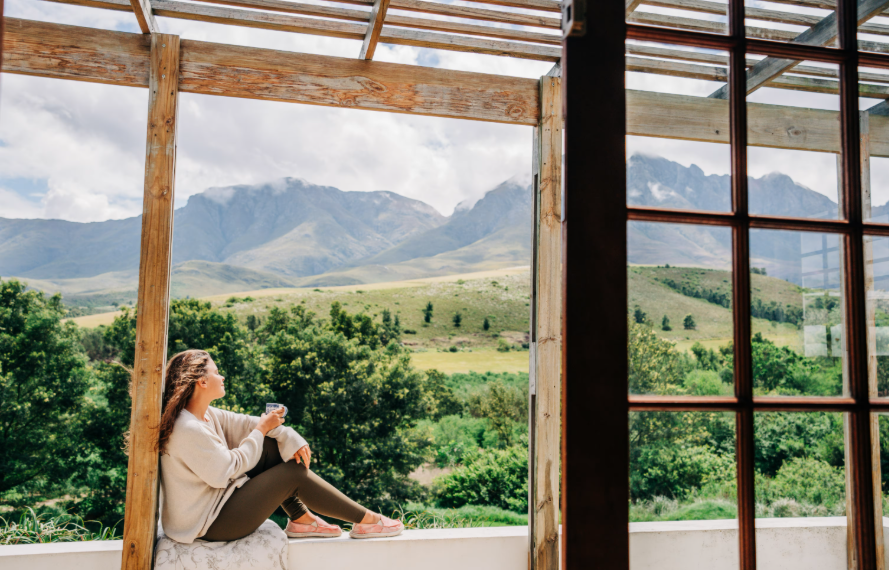
Slow Travel: Enjoying Destinations Without Rush
In a world that often celebrates speed and efficiency, slow travel offers a refreshing alternative. Rather than racing from one attraction to the next, slow travel encourages you to savor destinations, connect deeply with local culture, and travel with intention. It is not about how many places you visit, but how meaningfully you experience them.
What Is Slow Travel?
Slow travel is a mindset as much as a travel style. It focuses on staying longer in one place, moving at a relaxed pace, and engaging with daily life rather than ticking off a checklist of sights. This approach allows travelers to reduce stress, travel more sustainably, and form richer memories.
Why Slow Travel Is So Rewarding
One of the greatest benefits of slow travel is reduced stress. Without tight schedules and constant packing and unpacking, you have more mental space to enjoy the journey. You can wake up without an alarm, linger over meals, and explore based on curiosity rather than obligation.
Slow travel also deepens cultural connection. Spending more time in one destination allows you to notice small details, learn local customs, and interact more naturally with residents. Shopping at neighborhood markets, using local transport, or attending community events helps you feel less like a tourist and more like a temporary local.
Choosing the Right Destination
Almost any destination can be enjoyed through slow travel, but some places naturally lend themselves to it. Small towns, countryside regions, islands, and historic cities are ideal. Think of a village in Tuscany, a coastal town in Portugal, a quiet Greek island, or a mountain retreat. These places invite wandering, reflection, and simple pleasures.
How to Practice Slow Travel
Start by planning fewer destinations. Instead of visiting three cities in a week, choose one and explore it deeply. Book accommodations that feel like home, such as apartments, guesthouses, or boutique hotels. Having a kitchen or living space makes longer stays more comfortable and encourages a relaxed routine.
Build flexibility into your days. Leave room for spontaneity, whether it is discovering a café, striking up a conversation, or deciding to rest instead of sightseeing. Walking is one of the best ways to explore slowly, allowing you to observe architecture, people, and daily rhythms.
Engage your senses. Slow travel is about presence. Taste local dishes, listen to street sounds, notice scents, and appreciate textures and colors. Even ordinary moments can become memorable when you are fully attentive.
The Sustainable Side of Slow Travel
Slow travel is also kinder to the environment. Fewer flights, longer stays, and support for local businesses help reduce your travel footprint. Choosing local guides, restaurants, and shops contributes directly to the community you are visiting.
Who Is Slow Travel Best For?
Slow travel suits travelers of all ages, but it is especially appealing to those who value comfort, reflection, and meaningful experiences. It is ideal for solo travelers, couples, and anyone who wants travel to feel nourishing rather than exhausting.
Final Thoughts
Slow travel reminds us that the journey itself is the reward. By letting go of urgency and embracing a gentler pace, you can rediscover the joy of travel. When you travel slowly, you do not just see a destination, you feel it, live it, and carry it with you long after you return home.

Comments (0)